 Waiting for indexing
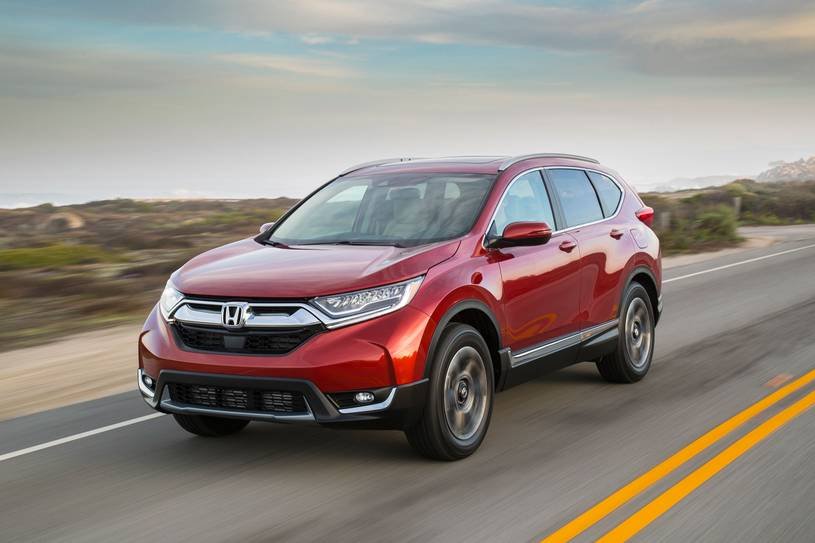
 Honda CR-V 1.5 VTEC CVT - 193hp
Original
Modified
Difference
Power
Original
193Hp
Modified
218Hp
Difference
25Hp
Torque
Original
243Nm
Modified
280Nm
Difference
37Nm
Mod Power
12%
Mod Torque
15%
Fuel Saving
5%
Honda CR-V 1.5 VTEC CVT - 193hp
| Brand: | Honda |
| Model: | CR-V |
| Generation: | 2016-2022 (5th) |
| Engine: | 1.5turbo - 193Hp |
| Fuel: | Бензин |
| Original power: | 193Hp |
| Original torque: | 243Nm |
Tuning Modified
| Tuning level: | Stage 1 |
| Mod power: | 218Hp |
| Power difference: | 25Hp |
| Mod torque: | 280Nm |
| Torque difference: | 37Nm |
| Fuel Saving: | 5 |
| Mod Power: | 12% |
| Mod Torque: | 15% |
Data sheet
| Engine Code: | L15B7 |
| Displacement: | 1498 CC |
| Bore & Stroke: | 73,0 X 89,5 mm |
| Compression Ratio: | 10.60 : 1 |
| Ecu Model: | Keihin TC1782/2.5MB |
| Tools: | Autotuner OBD - Magic Motorsport MAGPRO OBD - PCM-Flash- |
- Power Increase: The reflash added 25 horsepower (hp) and 37 Newton-meters (Nm) of torque to the vehicle. The total power output after the reflash is now 218 hp and 280 Nm of torque. It’s important to note that these modifications are specifically limited to the capabilities of the CVT transmission.
- Turbo Response: The reflash optimized the turbocharger response, improving the turbo spool and the turbocharger’s performance during part-throttle situations. This enhancement aims to provide a better balance between power delivery and fuel efficiency.
- Speed Limiter: The reflash removed the speed limiter, allowing the vehicle to achieve higher speeds than the factory settings would have allowed. However, it’s essential to adhere to speed limits and drive responsibly within legal limits and safety considerations.
- Throttle Response: The throttle response and throttle sensitivity were adjusted to stage 1 settings. This modification aims to enhance the vehicle’s pedal response, making it more responsive to throttle inputs. This can result in a more engaging driving experience.
- CVT Algorithm: The reflash changed the CVT algorithm, which controls the operation of the Continuously Variable Transmission to improve acceleration and overall drivability.
- Boost Maps: The boost maps were optimized to ensure optimal boost pressure levels. This adjustment ensures that the turbocharger is operating within safe and efficient parameters, potentially improving performance without compromising reliability.
- VTC Maps: The Variable Timing Control (VTC) maps were optimized for better turbo spooling. This modification aims to optimize the timing of the engine’s variable valve timing system, improving the response and efficiency of the turbocharger.
- Fuel Maps: The fuel maps were optimized to ensure the engine receives the correct amount of fuel for the desired performance and efficiency. This adjustment may improve the air-to-fuel ratio and combustion process, optimizing power output and fuel consumption.
- Ignition Timing Maps: The ignition timing maps were optimized to provide more precise timing for combustion, maximizing power and efficiency.